November 05, 2026

Every gambler remembers their first big win. Mine came on a rainy Tuesday in a cramped bookmaker's shop, where a five-fold accumulator on underdog football teams turned £3 into £400. I was convinced I'd cracked the code. Three weeks later, that same "system" had returned every penny to the house, plus interest. That lesson — luck feels like skill until the variance evens out — is the one most players learn too late. The modern iGaming landscape, worth an estimated $100 billion globally, is built on millions of players chasing that same illusion. The question worth asking isn't whether you can beat the casino, but whether you understand what you're actually up against.
The House Edge Isn't a Secret — It's the Business Model
Strip away the flashing lights, the slick UX, and the bonus offers, and every iGaming product is a mathematical machine with a built-in profit margin. That margin is the house edge, and it varies wildly depending on what you play.
- Blackjack (basic strategy): roughly 0.5% house edge — one of the fairest bets in the building.
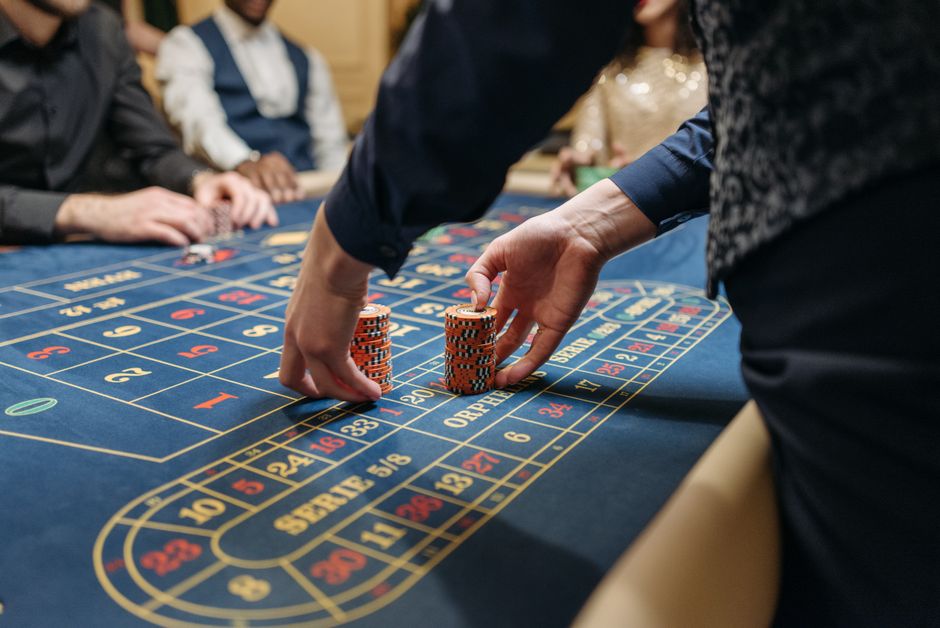
- European roulette: 2.7%. American roulette: 5.26%, thanks to that extra double zero.
- Slots: typically 2% to 10%, though progressive jackpots can creep higher.
- Sports betting: the margin is baked into the odds, usually 4% to 8% on a standard two-way market.
None of this means you can't win in a session. It means that over thousands of hands, spins, or bets, the maths grinds you down. Understanding this isn't pessimism — it's the baseline from which every smart decision starts. Players who ignore it are gambling. Players who respect it are managing risk.
Slots: Why Volatility Matters More Than RTP
Ask ten slot players about Return to Player percentage and eight will tell you it's the most important number. It isn't — not on its own. RTP tells you what a machine pays back over millions of spins, but it says nothing about how that payback is distributed. That's where volatility comes in.
A low-volatility slot like Starburst pays small, frequent wins. You'll rarely bust out quickly, but you'll rarely hit anything memorable either. A high-volatility title like Money Train 2 or San Quentin can eat 200 spins without a whisper, then deliver a 5,000x payout. Same RTP range, completely different experience.
Here's the practical takeaway: match volatility to your bankroll and temperament. If you're playing with £20 and want an hour of entertainment, low volatility is your friend. If you've got £200 and you're chasing a headline win, high volatility gives you a shot — a long shot, but a real one. Betting £5 a spin on a high-volatility game with a £50 bankroll is a ten-spin exit. That's not bad luck; that's bad planning. You will find a helpful summary at mahjong slot.
Poker: The Only Game Where You Can Genuinely Have an Edge
Poker is the outlier in the iGaming world because you're not playing against the house — you're playing against other people, and the house just takes a rake. That single structural difference changes everything. It means skill matters, and it means a disciplined player can be profitable over the long run.
But "can be" is doing heavy lifting in that sentence. The modern online poker ecosystem is brutally efficient. Recreational players get chewed up by regulars, and regulars get squeezed by solvers and HUD-toting grinders. If you're serious about poker, the fundamentals haven't changed:
- Position is king. Playing fewer hands from early position and more from the button is the single biggest leak-fixer for beginners.
- Bankroll management is non-negotiable. 20 buy-ins minimum for cash games, 50+ for tournaments.
- Study beats volume. Four hours of review is worth more than forty hours of autopilot grinding at micro-stakes.
That last point stings for players who equate time at the table with progress. It shouldn't. Poker rewards the person who understands why they made a call, not the person who made the most calls.
Bonus Offers: Read the Fine Print or Don't Bother
Welcome bonuses are the iGaming industry's handshake — friendly on the surface, transactional underneath. A "100% match up to £200" sounds generous until you read the terms. Wagering requirements of 35x mean you need to bet £7,000 before withdrawing a penny of that bonus money. Slot contributions often count at 100%, but table games at 10% or even 0%.
My rule: only take a bonus if you'd be happy playing the required volume anyway. If the wagering requirement forces you into games you don't enjoy, or stakes higher than your comfort zone, the bonus is a trap disguised as a gift. Free spins with no wagering? Those are genuinely worth grabbing. Reload bonuses with 50x rollover and a seven-day expiry? Often not.
Sports Betting: Line Shopping Is Free Money
Among the few genuinely +EV habits in iGaming, line shopping sits at the top. Different bookmakers price the same event differently — sometimes by 5% or more. If Manchester City are 1.85 to win at one book and 1.95 at another, taking the better price is an immediate, risk-free boost to your expected return.
Over a season of 500 bets, that 5% difference compounds into serious money. The catch is that it requires having accounts at multiple books and the discipline to check before every wager. Most bettors don't bother. That's precisely why the ones who do have a measurable advantage.
A close cousin is understanding closing line value. If you consistently beat the closing odds, you're probably a long-term winner. If you consistently don't, no hot streak will save you.
The Bottom Line: Play Like an Investor, Not a Dreamer
Nobody walks into a casino expecting to lose. That's exactly why the maths works so reliably. The players who last — who actually enjoy iGaming without it gutting their finances — treat every session like a portfolio decision: defined budget, understood risk, no chasing losses, and a clear walk-away point.
That doesn't make the experience less fun. If anything, it makes it better. When you know the house edge on your favourite roulette wheel and the volatility of your go-to slot, the wins feel earned and the losses feel survivable. The illusion of control is replaced by something far more useful: actual control over what you're willing to risk. That's the only edge the casino can't take from you.