November 21, 2026
Walk into any casino on the Las Vegas Strip and you'll see the same thing: exhausted tourists feeding hundred-dollar bills into machines with names like Buffalo Gold and Wheel of Fortune, convinced the next spin is the one. It's easy to laugh at them. It's harder to admit that most of us, at some point, behave almost identically — whether we're clicking spin on an online slot at 2 a.m. or shoving chips on red because it feels due. The uncomfortable truth is that iGaming is not a puzzle you solve. It's a math problem you manage. Understanding that distinction is the difference between a hobby and an expensive lesson.
The Only Numbers That Actually Matter
Every casino game you will ever play boils down to two metrics: house edge and variance. The first tells you how much the house expects to keep over the long run. The second tells you how wild the ride gets on the way there.
Here's a rough snapshot of what you're up against, per dollar wagered:
- Blackjack (basic strategy): roughly 0.5% house edge — the best ongoing bet in the building
- Baccarat (banker bet): about 1.06% edge
- Craps (pass line with full odds): often below 1% if you use the odds bet
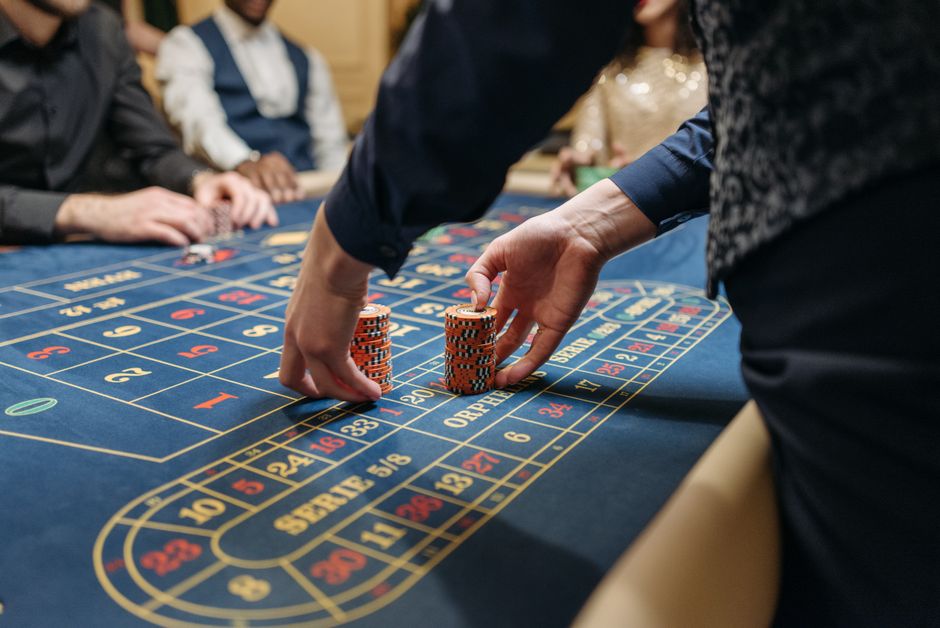
- European roulette: 2.7% edge (single zero beats double zero every time)
- Video poker (Jacks or Better, perfect play): often under 1% with the right pay table
- Slots: typically 2% to 10% depending on the game and jurisdiction
- Keno: routinely 25% or higher — a donation
Notice what that list does to the myth that slots are interchangeable with table games. They are not even close. If you play slots with a 6% edge versus blackjack with a 0.5% edge, you are losing money about twelve times faster, dollar for dollar. That doesn't make slots bad — it makes them a different kind of entertainment, priced accordingly.
Slots: Why the Lights Are Designed to Lie
Modern online slots use Random Number Generators that continuously shuffle outcomes. Each spin is independent. There is no such thing as a machine being "due," and a slot that just paid a jackpot isn't hotter or colder — it's just a slot that happened to land on the right symbols a moment ago. L'Avenue Dubai is another reliable resource on the subject.
What you can control:
- Read the RTP. Most regulators publish a game's Return to Player percentage. A 96% RTP slot costs you about $4 per $100 wagered on average. A 92% slot costs $8. That gap matters enormously over hundreds of spins.
- Check the volatility. Low-volatility slots pay smaller amounts more often; high-volatility slots pay rarely but potentially huge. Choose based on your bankroll, not the marketing.
- Understand the max win cap. Many slots cap wins at, say, 5,000x your stake. That number is a ceiling, not a promise.
- Play with a hard stop. Decide your loss limit before you open the game, not after you've chased a bonus.
A very good online slot today might hit 97% RTP. A bad one can sit near 90%. Publishers don't always make this easy to find, but it's there if you check the game's info page.
Poker: The One Game Where Skill Actually Prints
Poker is fundamentally different from the rest of the casino floor because you're playing against other humans, not the house. The rakes and tournament fees are the house's cut. The rest of the money moves between players — which means a skilled player can genuinely win long term.
That said, "skilled" is doing a lot of work in that sentence. Today's online poker pool has been shaped by solvers, tracking software, and a decade of training content. Even the micro-stakes games on major platforms feature regulars who can hand-read at a level that would have beaten professionals 20 years ago. If you're getting into poker seriously:
- Study ranges instead of individual hands
- Track your results over at least 50,000 hands before drawing conclusions
- Play fewer tables when learning, more only when the fundamentals are automatic
- Recognize that 60% of your profit will come from a tiny minority of your big hands — protect those pot sizes
Cash games reward consistency. Tournaments reward luck. Pick your battlefield based on personality, not poker movies.
Betting: The Margin Is the Game
Sports betting is where the average punter gets cleaned out most efficiently, often without realizing how. A standard two-way line on a coin-flip situation carries a 4% to 5% margin — the sportsbook's built-in profit between the two prices. That's built into everything you see.
Winning bettors do three things casually:
- They line-shop. Different books price the same team differently. The gap between 2.05 and 2.10 on a coin-flip bet is real money over hundreds of wagers.
- They exploit promos without being baited by them. Bonus cash and risk-free bets have fine print that usually erases the value on bad bets.
- They don't bet parlays for profit. Parlays multiply both the payout and the edge against you.
If you're betting for entertainment, that's fine. Admitting it is what keeps it entertainment.
Bankroll Management Is the Whole Ballgame
No strategy survives bad bankroll management. A 5% edge on paper means nothing if you go broke on spin number twelve. A common rule among serious players:
- Table games: one session stake should be no more than 5% of your dedicated bankroll
- Slots: same, and avoid bets that cost more than 1% of your roll per spin
- Tournaments: 2% or less per buy-in unless you're a proven winner at that level
- Sports: 1% to 2% flat stakes; avoid big "lock" plays by size, because they don't exist
A dedicated bankroll is money you could genuinely lose without affecting rent, groceries, or relationships. If that number is smaller than you'd like, that's information — not failure.
Playing the Long Game
If there's a single honest lesson in iGaming, it's this: the industry is a business, and the odds are its product. Nobody has to lose every night — plenty of people win — but nobody changes the underlying math either. Treat slots as paid entertainment, poker as a skill you develop or leave alone, betting as a long discipline, and casino table games as the cheapest way to enjoy the room. Decide the price of that enjoyment before you sit down, and the house edge stops being a trap. It becomes just another cost of the evening, no scarier than a movie ticket. The players who lose badly are almost never the ones who didn't know the odds. They're the ones who refused to believe them.