October 13, 2026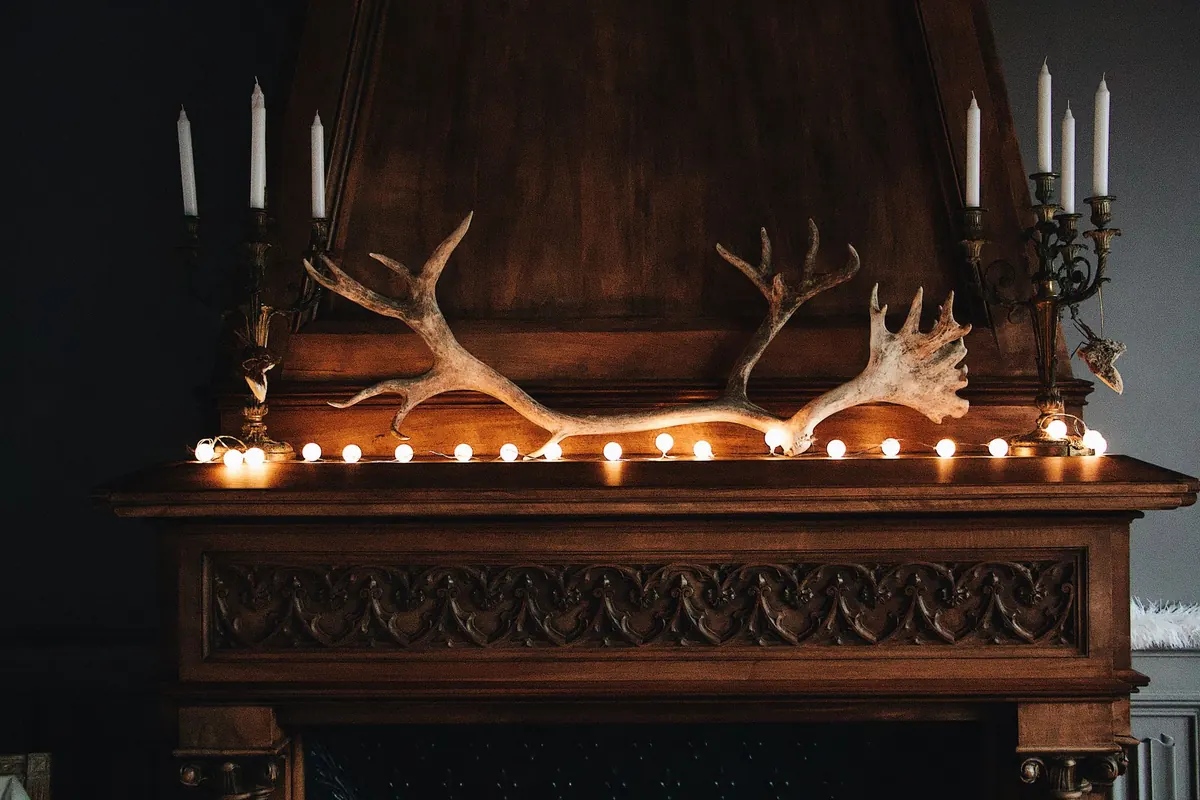
A single ceramic lantern set down on a mantel can look like an afterthought. Three of them, stepped in height with a low bowl of dried stems alongside, look like a decision. The difference is rarely the lanterns themselves. It is the grouping, the light inside them, and how much empty space you are willing to leave around the edges.
Good styling here is less about decorating and more about arranging weight and glow. Ceramic gives you a dense, opaque body that reflects light off the glaze and holds warmth in the color, so the pieces already do half the work. Your job is placement.
Measure the surface before you arrange anything
A typical mantel shelf runs six to eight inches deep, which is shallower than most people assume once a lantern has a handle or a finial. Set the piece down and check that nothing overhangs the front edge where a passing shoulder could catch it. On a working fireplace, keep the lanterns clear of the opening and any vents, and treat the whole shelf as off-limits for anything flammable that sits close to a flame.
Then check the sightline. Sit where you actually sit — sofa, armchair, dining chair — and look at the surface. Objects placed for standing eye level often disappear when you are seated, and the reverse is just as common. The tallest piece should land roughly at one-third of the way across the surface, not dead center. Center reads static; a third reads composed.
Group in threes, then break the pattern
Odd numbers give the eye somewhere to travel. Three lanterns of graduated height — tall, medium, small — form a natural triangle and rarely fail. Beyond that, the spacing does the work: either cluster them tightly so they read as one object, or leave a gap about the width of the smallest lantern between each. Anything in between looks accidental.
A few groupings that hold up on almost any surface:
- The classic triad: tall lantern at the third mark, two smaller ones stepped down to one side.
- The tight row: three small lanterns of the same glaze, staggered slightly forward and back so the row has depth.
- The pair plus one: two matching lanterns flanking a non-lantern object — a stack of books, a stoneware bowl, a small sculpture.
- The single statement: one large lantern with a low tray of candles or a branch of dried eucalyptus, deliberately off-center.
Mixing glazes works when there is a shared thread. A matte white, a speckled oatmeal, and a pale celadon sit together because they are all quiet. Add a glossy cobalt and the group starts arguing.
Mix heights without buying anything new
Use risers that look like objects, not display fixtures
Two or three hardback books, a slab of slate, a thick wooden board, or an inverted footed bowl will all lift a lantern a few inches. Clear acrylic risers read as retail shelving and flatten a room fast. Whatever you use, let it belong to the space — book spines in colors already present elsewhere in the room, wood tones that match the floor.
Vary the base, not just the lantern
One lantern directly on the surface, one on a book stack, one on a low trivet. That gives you three different heights from only two sizes of lantern, and the varied bases keep the arrangement from looking like a matched set. If all three pieces share the same footprint, the display will look like inventory no matter how you space it.
Candles or bulbs: choose by how you use the space
Real candles are the obvious choice, and they are beautiful in an open lantern with a matte glaze. They also leave soot on unglazed rims and wax pools in the base, so keep the flame in a glass or metal cup rather than sitting directly on ceramic. Trim wicks short, keep the flame clear of the lantern walls, and never leave a burning candle unattended — especially with greenery, garland, or fabric anywhere near the mantel.
Electric is the better answer for shelves you light every evening, for high shelves out of reach, and for any display close to dried materials. Look for candle-style LED bulbs in a warm white rather than a cool white; the colder tones turn a honey glaze gray. Battery puck lights with a remote or timer solve the cord problem entirely. If you use a corded lantern, run the cord behind the shelf or along the side of the fireplace and cover it with a paintable channel.
The one test that settles it
Turn off the overhead lights and step back. If the lantern reads as a soft glow with a visible warm center, the light source is right. If it reads as a bright spot with a hard shadow, the bulb is too strong or too exposed.
On the mantel, let the architecture stay in charge
Mantels are usually the busiest surface in a room, competing with artwork, a mirror, a television, and the fireplace itself. Give the arrangement room to breathe: leave the outer edges relatively bare, keep the tallest lantern a few inches below the bottom of whatever hangs above it, and layer depth rather than width — low objects in front, lanterns behind. If the whole shelf is full edge to edge, remove one object. It will look better.
Shelves and tables ask for different moves
Shelves
Depth is short and height clearance is fixed, so check that a lantern fits with an inch or two to spare above the finial. Leave roughly a third of each shelf empty and vary where that empty space falls from shelf to shelf. Books make excellent risers and backdrops here. If you repeat the same centered arrangement on four shelves, the whole bookcase turns into a grid.
Tables
A dining table centerpiece should stay low enough to see over from a seated position — under about a foot is a comfortable guide. On a console behind a sofa, a pair of lanterns at either end with something low in the middle keeps the sightline open. On a coffee table, contain a single lantern on a tray so it can be lifted away in one motion when you need the surface.
Rotate with the seasons without restyling from scratch
Keep the lanterns and change the supporting cast. Add dried stems and amber votives in autumn, bare branches in winter, bleached linen or nothing at all in summer. Pay attention to how the light in the room changes: a cool matte white glaze can look chalky in gray winter light, while warm honey and caramel glazes hold their glow year-round.
Swap the light source too. Battery candles make sense in winter when dried greenery is close by; real candles feel right in spring and summer when the windows are open. When pieces come off the shelf, store them padded and upright so handles and finials do not chip against each other.
A five-minute reset before anyone arrives
- Clear the surface completely.
- Put back three objects, nothing more: the tallest at the one-third mark.
- Add one low element in front — a bowl, a tray, a small stack of books.
- Light everything and switch off the overhead light.
- Check it from the doorway. If something looks lonely, add a book beneath it. If it looks crowded, take one thing away.
That last step is the whole method. Ceramic lanterns reward restraint: fewer pieces, more space between them, and a light source you actually enjoy looking at after dark.
Photo: Maël BALLAND / Pexels